What it takes to host a pod: a pad, power and a phone call
For property owners: what a site needs, where the power comes from and who does the work.
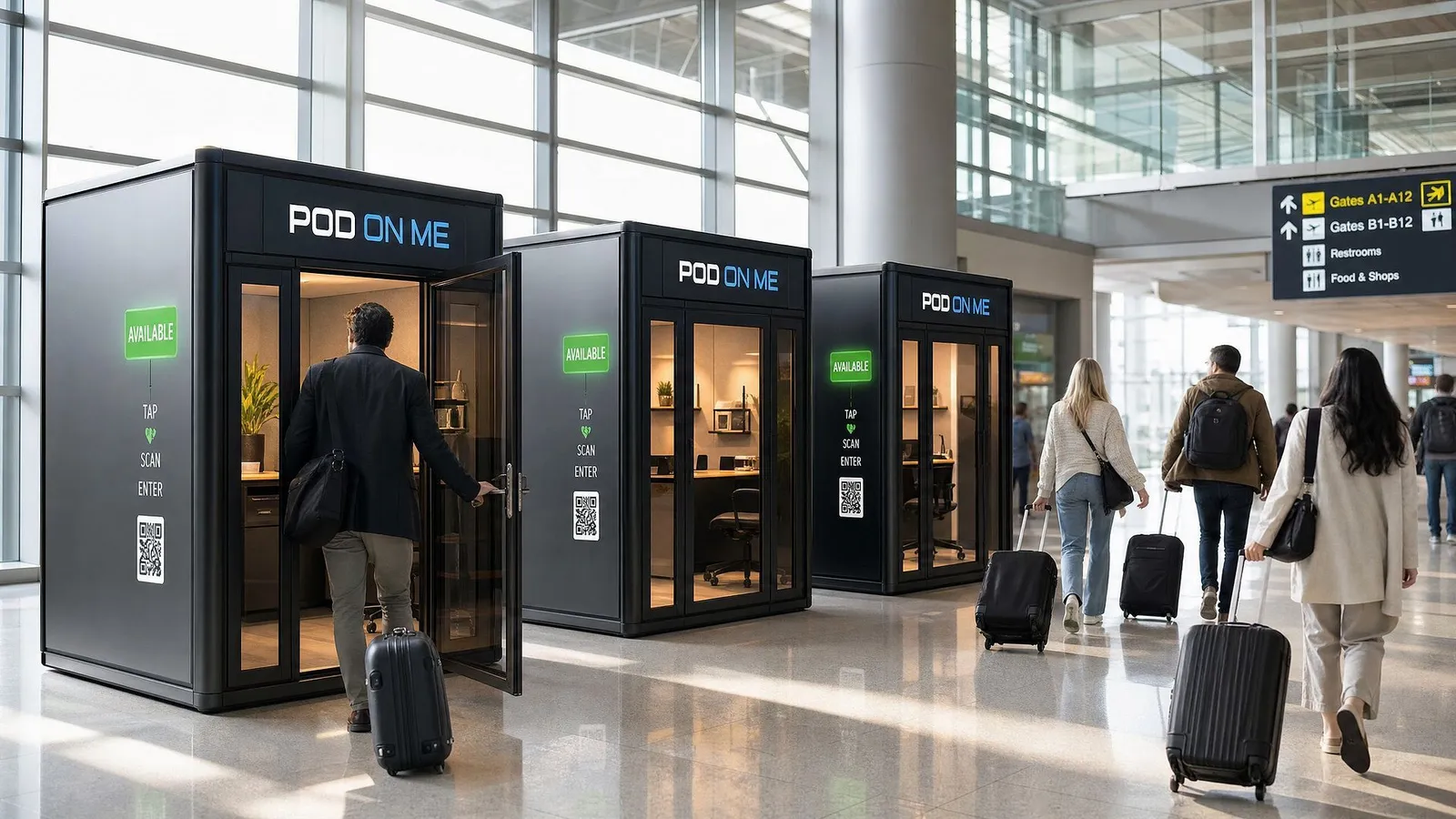
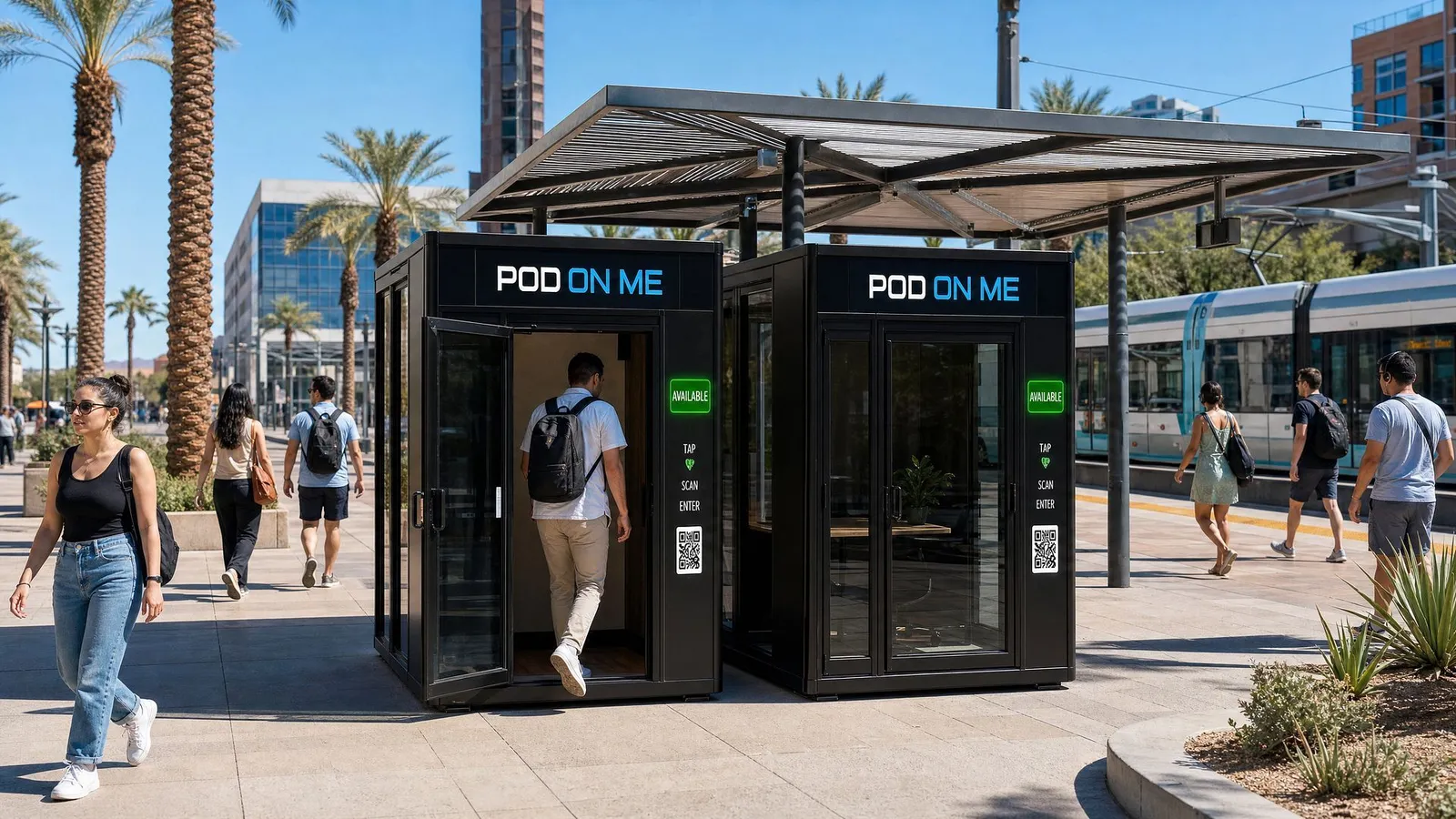
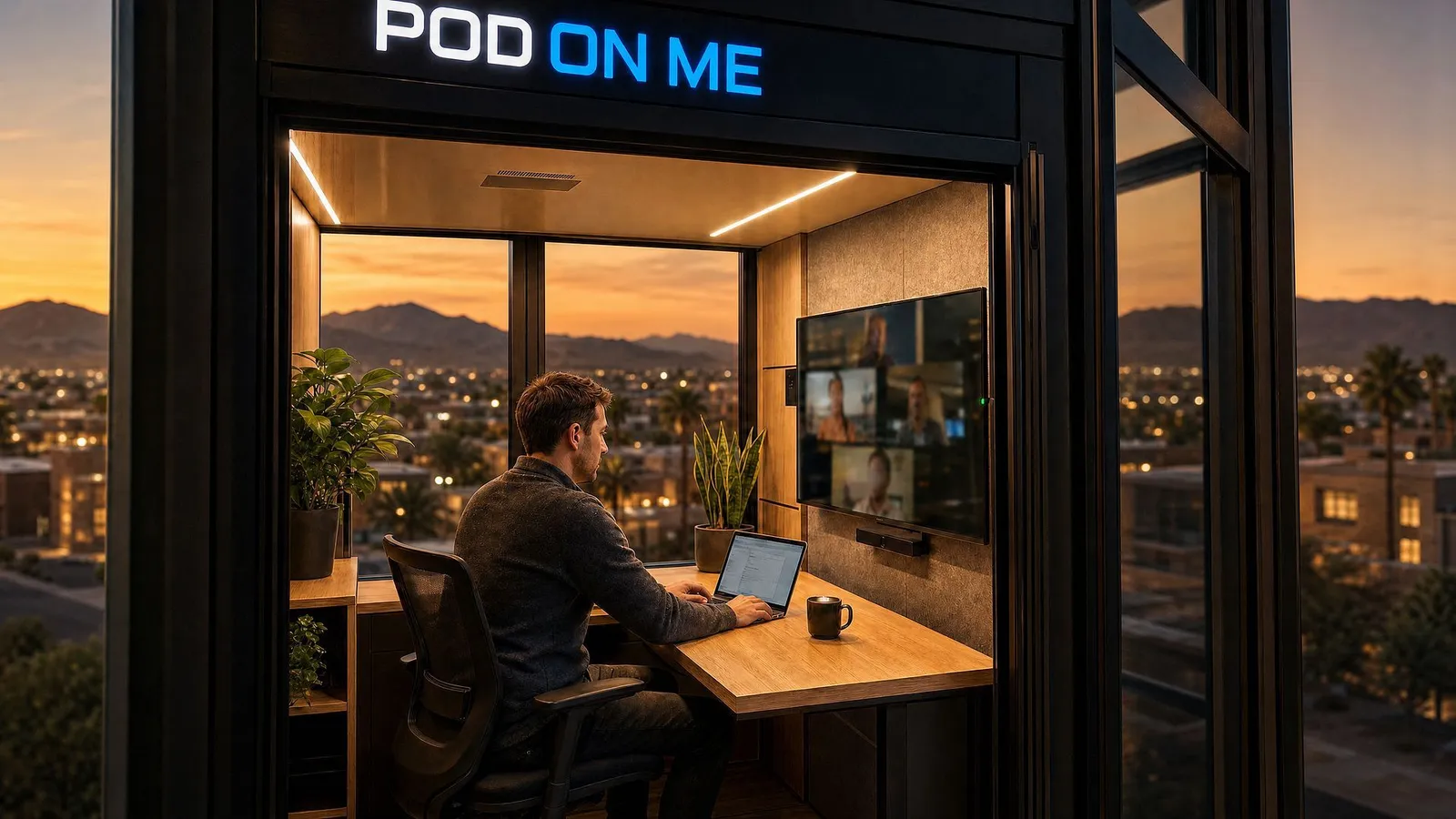
Most premium properties have somewhere that earns nothing: a corner of the promenade, a stretch of courtyard, an unused spot in a lobby or concourse. A POD ON ME pod turns that spot into a premium amenity that pays you a share of every booking. Here is what hosting actually involves.
The space
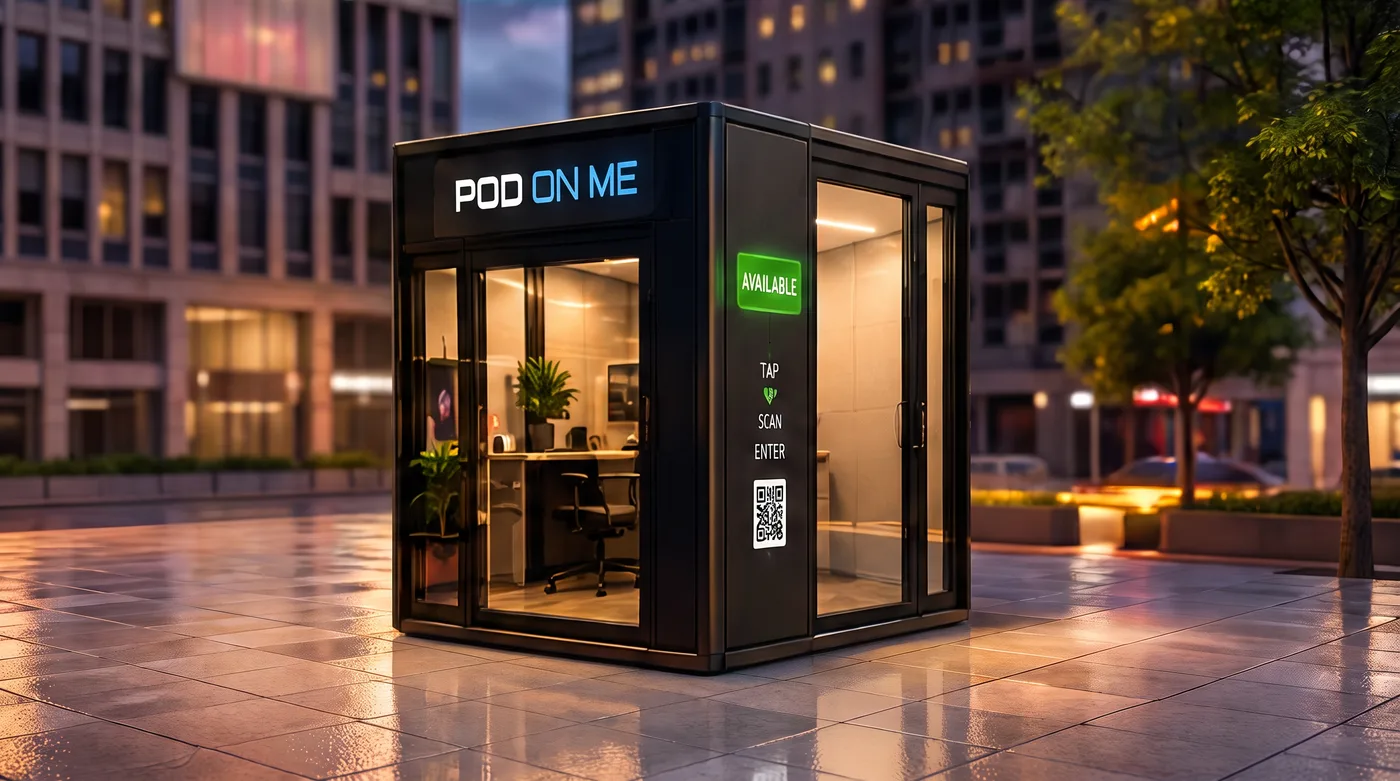
An 8 by 10 foot pod needs a level area a little larger than itself, outdoors on concrete or pavers, or indoors on any solid floor. Outdoor pods are anchored to their pad and are built to stand in public: no host building is required, which is why so many sites qualify.
The power
A pod needs one dedicated circuit, similar in scale to what an EV charger uses. There are a few ways to get it there. Many hosts have spare capacity in an existing panel, and we add a sub-meter so the power used is tracked and settled in the revenue share. Plazas and courtyards often already have circuits running to lighting that we can extend. Where there is nothing nearby, a new utility service with its own meter can be run to the pad. Every pod also carries a battery that keeps the lock, lights and communications running through an outage, and roof solar that tops it up.
The work
We supply the pod, install it, connect it, and run everything after that: bookings, payments, monitoring, cleaning, restocking and repairs. There are no staff on your site and no cash on the premises. You provide the spot and the power connection, and you share in the revenue.
Getting started
Tell us about your site on our venues page: roughly where it is, how busy it is and what power is nearby. We reply within two business days.